Laparoscopic Urology
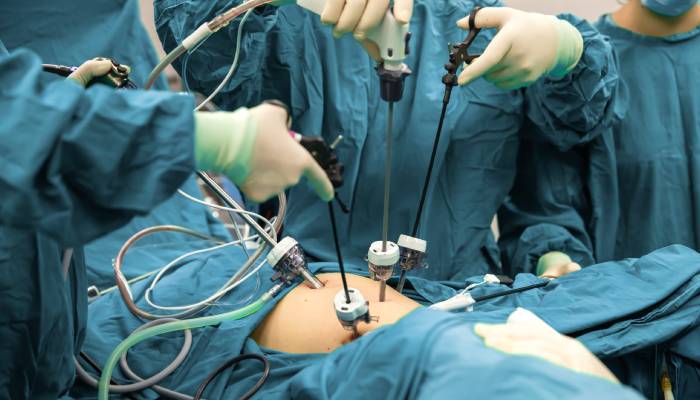
Laparoscopic urology refers to minimally invasive surgical procedures performed through small keyhole incisions in the abdomen using a camera (laparoscope) and specialized instruments. This approach is commonly used for procedures involving the kidneys, adrenal glands, ureters, and prostate. Conditions such as kidney tumors, non-functioning kidneys, ureteric obstruction, and certain prostate disorders can be effectively treated using laparoscopic techniques. Compared to open surgery, laparoscopic urology offers several advantages including smaller scars, reduced postoperative pain, shorter hospital stays, quicker recovery, and faster return to work. The magnified view provided by the laparoscope allows for precise dissection and better visualization of delicate structures, improving surgical accuracy. In many advanced centers, laparoscopic techniques may also be combined with robotic assistance to further enhance precision and control.